
You rested. You slept. You did what you were supposed to do.
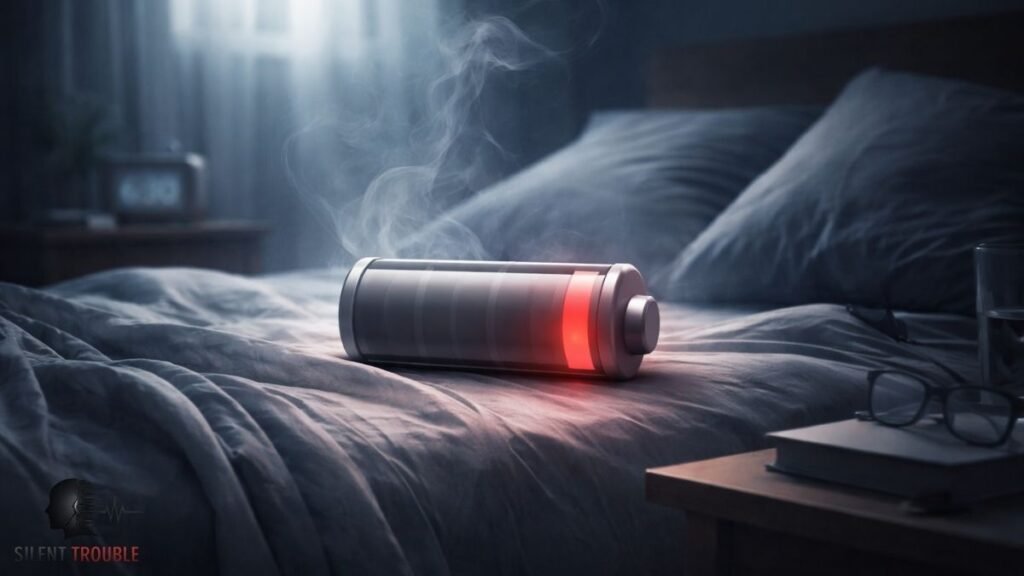
And yet, you wake up feeling the same — tired.
Not the kind of tired that comes from a long day or lack of sleep. This feels different. Heavier. Deeper. As if rest touched the surface, but never reached where the exhaustion actually lives. When you’re tired even after rest, it starts to feel confusing, and honestly, frustrating.
You begin questioning yourself. Did I really rest? Did I sleep enough? Am I just lazy? But the tiredness doesn’t feel mental. It feels physical — like the body didn’t recharge, even though you gave it time.
Many people experience this quietly: sleeping but still tired, going through days on low energy, without being sick or clearly unwell. There’s no obvious reason to explain it, which makes the exhaustion harder to trust — and easier to ignore.
But tiredness that doesn’t improve with rest is trying to say something different.
What “Being Tired” Really Means
Being tired doesn’t always mean you need more sleep. Sometimes it means the body hasn’t actually recovered, even if it’s been resting.
This kind of tiredness isn’t about yawning or feeling sleepy. It’s more like the body feels heavy, slow, and low on energy from the inside. Movement takes more effort. Focus feels harder. Motivation drops, not because you don’t care, but because the system feels drained.
That’s what persistent fatigue feels like. It’s not dramatic, and it doesn’t stop life completely. It just makes everything feel like it takes more from you than it should.
Because this tiredness doesn’t match the usual idea of exhaustion, it’s easy to misread it. You assume more rest will fix it. But when rest doesn’t help, the confusion grows.
This isn’t about laziness or lack of discipline.
It’s about a deeper level of tiredness that rest alone doesn’t reach.
Why Rest Doesn’t Always Restore Energy
Rest gives the body time, but it doesn’t always give it recovery. There’s a difference.
You can sit still, lie down, or even sleep for hours — and still wake up feeling unchanged. That’s because rest works best when the body is able to fully switch out of alert mode. When it can actually let go.
If the system stays slightly tense, rest becomes shallow. The body is technically inactive, but internally it’s still working. Still holding. Still scanning. That’s why people say they’re tired even after rest — the body never fully powered down in the first place.
This isn’t something you consciously control. You’re not “resting wrong.” The body just hasn’t received enough signals that it’s safe to recover deeply.
When rest doesn’t restore energy, it’s usually because the tiredness isn’t coming from lack of rest — it’s coming from a system that hasn’t stopped being on.
Sleep Isn’t the Same as Recovery
Sleep is essential, but sleep alone doesn’t guarantee recovery. You can get enough hours and still wake up feeling unchanged — because the body went through the motions of sleep without fully resetting.
This often happens when the system stays lightly activated during the night. The body rests, but it doesn’t fully let go. Muscles don’t soften completely. Breathing stays shallow. The nervous system never fully drops into repair mode.
That’s why people describe being sleeping but still tired. The sleep happened, but it didn’t feel restorative. You wake up already feeling behind, like your energy didn’t refill.
Recovery isn’t just about time asleep. It’s about how deeply the body can disengage. When that disengagement doesn’t happen, sleep becomes maintenance instead of renewal.
How Mental Load Creates Physical Fatigue
Mental effort uses more energy than most people realize. Constant thinking, planning, worrying in the background, staying available, staying alert — all of it keeps the system working, even when the body isn’t moving much.
This kind of effort doesn’t feel physical, but the body experiences it physically. Muscles stay slightly tense. Breathing stays shallow. The nervous system stays engaged. Over time, that ongoing mental load turns into real, physical tiredness.
That’s why people feel exhausted even on days that don’t look demanding. The tiredness isn’t coming from activity — it’s coming from carrying too much internally, for too long.
When the mind never fully switches off, the body never fully recharges. And that’s how mental fatigue turns into physical fatigue, even after rest.
When the Nervous System Never Fully Switches Off
Sometimes the problem isn’t how much you rest — it’s that your system never truly powers down. Even during quiet moments, the body stays slightly alert, like it’s waiting for something.
This is why people feel tired but wired. The body is exhausted, yet it can’t sink into deep recovery. Muscles don’t fully relax. Breathing stays shallow. The sense of ease never really arrives.
When this happens, energy keeps leaking away in small amounts. Not enough to cause a breakdown, but enough to leave you feeling tired even after rest. The body is spending energy just staying ready.
The nervous system isn’t broken.
It’s just been “on” for too long without a real off-switch.
Why Medical Tests Often Look Normal
Medical tests are good at finding disease. They’re not very good at explaining exhaustion that comes from long-term strain. Blood work, scans, and routine checks can confirm that nothing is medically wrong, but they don’t measure how depleted the body feels.
This is why people hear “everything is normal” while still feeling worn out. The tests rule out illness, not ongoing overload. They don’t capture a nervous system that hasn’t fully relaxed in a long time, or a body that’s been running on reserve energy.
When reports are normal, it’s easy to assume the tiredness isn’t real. But being tired even after rest doesn’t require a diagnosis to exist. It just means the body hasn’t had the kind of recovery it actually needs.
The tests aren’t missing something dangerous.
They’re simply not designed to measure this kind of fatigue.
Common Signs of Non-Restful Fatigue
This kind of tiredness isn’t dramatic. It shows up quietly and sticks around.
-
Waking up tired even after enough sleep
-
A heavy or drained feeling in the body
-
Energy dropping quickly during the day
-
Rest that helps a little, but never fully
-
Difficulty focusing or feeling mentally slow
-
Feeling worn out without doing much
These are common signs of being tired even after rest. Because they don’t look severe, they’re easy to brush off — but when they repeat day after day, they point to fatigue that rest alone isn’t reaching.
Why This Kind of Tiredness Is Easy to Ignore
Because it doesn’t stop you. You still show up. You still get through the day. There’s no clear moment where things break down, so the tiredness feels like something you’re supposed to live with.
When you’re not sick and tests look normal, exhaustion starts to feel like a personal flaw instead of a physical signal. You tell yourself it’s just life. That everyone feels this way. That you should push through it.
Over time, this tiredness blends into routine. You adjust around it. You lower expectations without realizing it. And because it’s quiet and constant, it doesn’t demand attention — it just stays.
The problem isn’t that the tiredness is dramatic.
It’s that it becomes familiar.
What Rest Isn’t Reaching
When rest doesn’t bring energy back, it doesn’t mean rest failed. It means the tiredness lives deeper than sleep and stillness.
The body can be exhausted without being ill. Worn down without being broken. Carrying more than it has space to release. In those cases, tiredness isn’t asking for more hours in bed — it’s pointing to a system that hasn’t fully powered down in a long time.
Being tired even after rest isn’t a weakness or a lack of discipline. It’s a signal. A quiet one. Easy to overlook. But real.
Sometimes, the most important thing isn’t doing more to recover — it’s noticing what the body has been carrying quietly, day after day.
FAQs
Why am I tired even after resting or sleeping?
Because rest doesn’t always mean recovery. When the body stays slightly alert or overloaded, sleep and rest may not fully restore energy.
Can you feel tired even if you’re not sick?
Yes. Many people feel exhausted without illness. This kind of tiredness often comes from long-term strain rather than disease.
Why does sleep not feel refreshing anymore?
Sleep can happen without deep recovery. If the nervous system doesn’t fully switch off, the body rests on the surface but doesn’t recharge deeply.
Is being tired even after rest a sign of a health problem?
Not always. Medical tests often look normal because this kind of fatigue isn’t caused by disease but by ongoing internal load.
What’s the difference between tiredness and exhaustion?
Tiredness usually improves with rest. Persistent exhaustion feels deeper and doesn’t fully lift, even after sleeping or taking breaks.
Why is this kind of fatigue easy to ignore?
Because it doesn’t stop daily life. People adjust to it slowly, mistaking constant tiredness for normal routine exhaustion.